

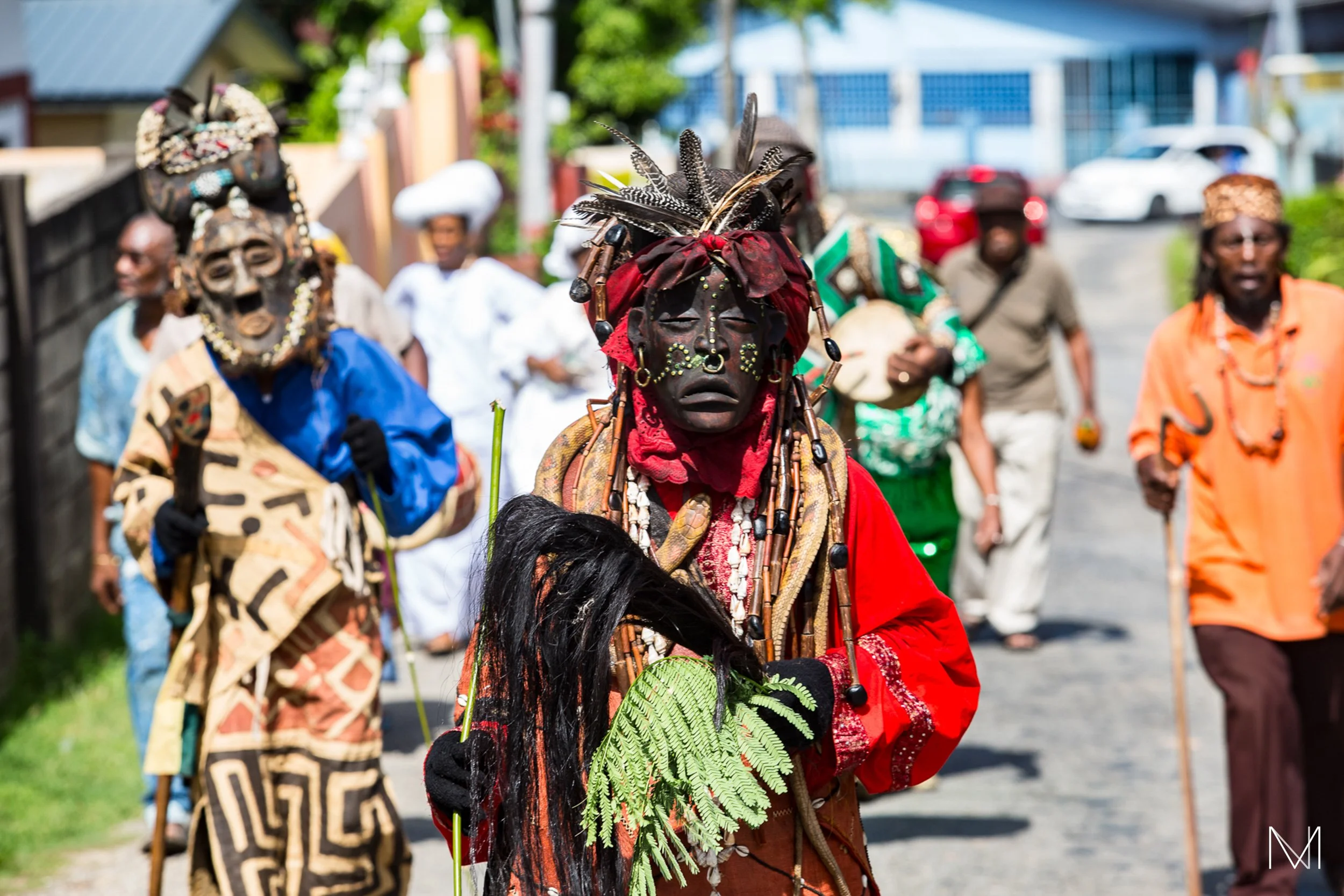
Egungun, Trinidad
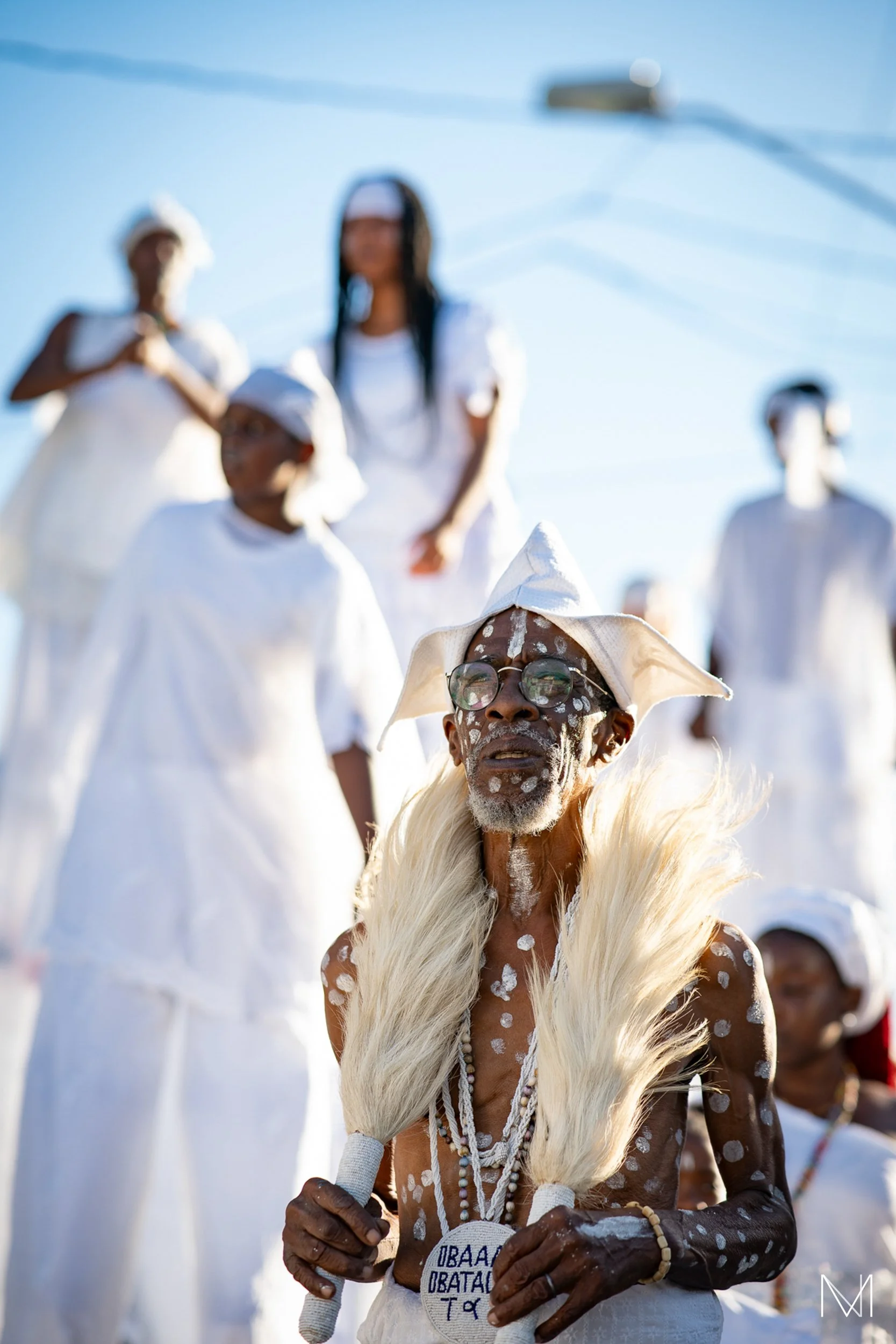
Obatala Festival, Trinidad
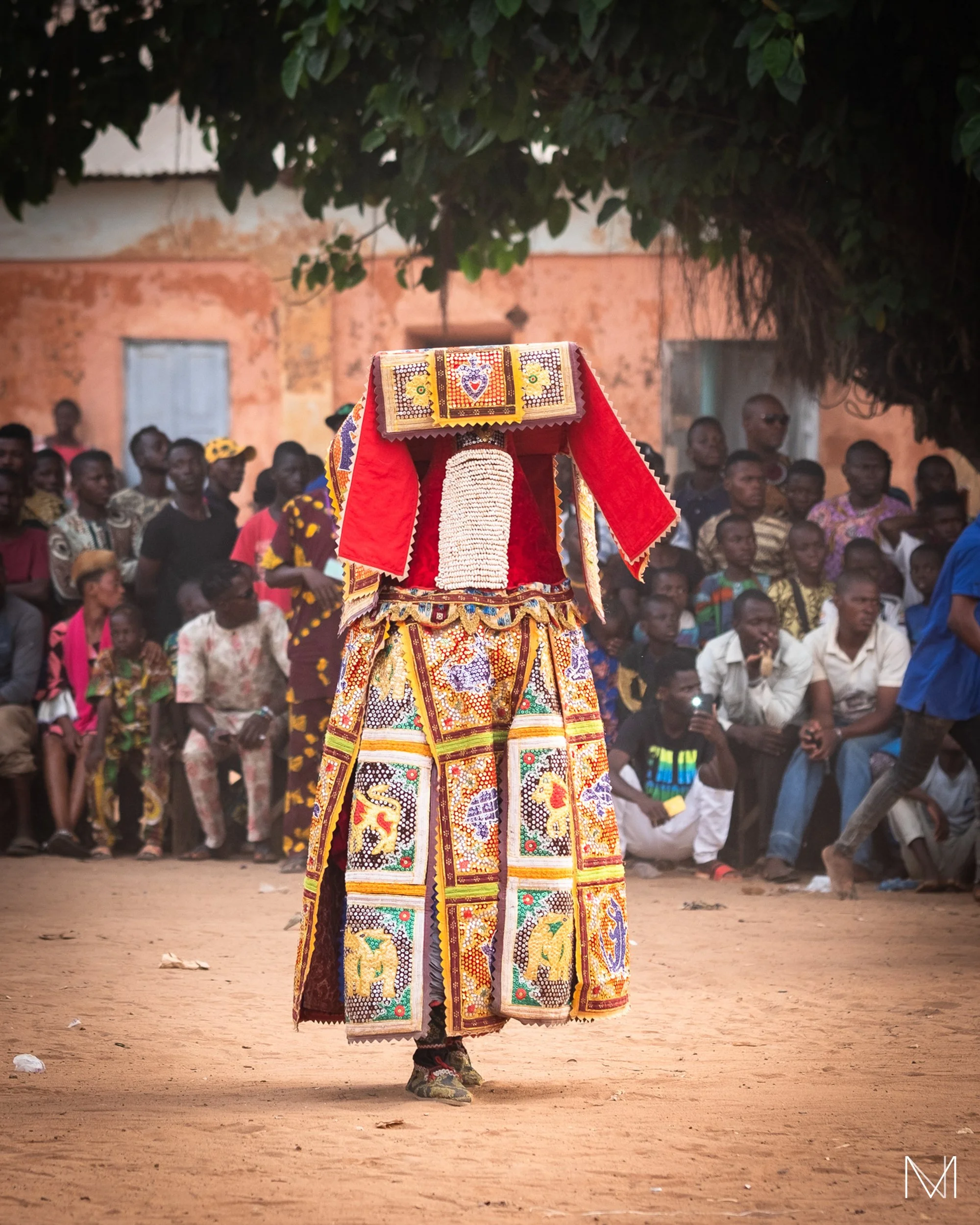
Egungun, Porto Novo, Benin
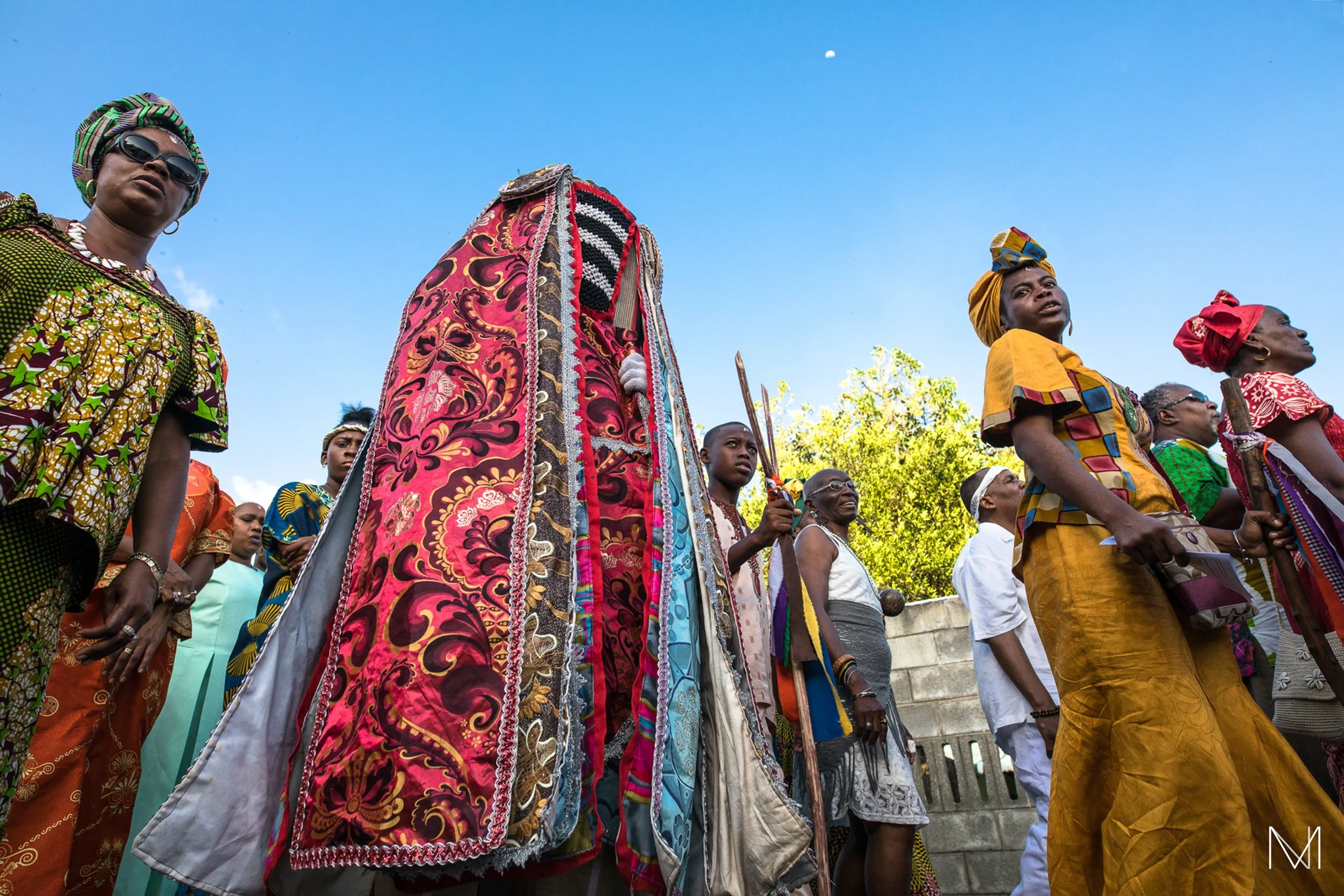
Ile Isokan, Egungun, Trinidad
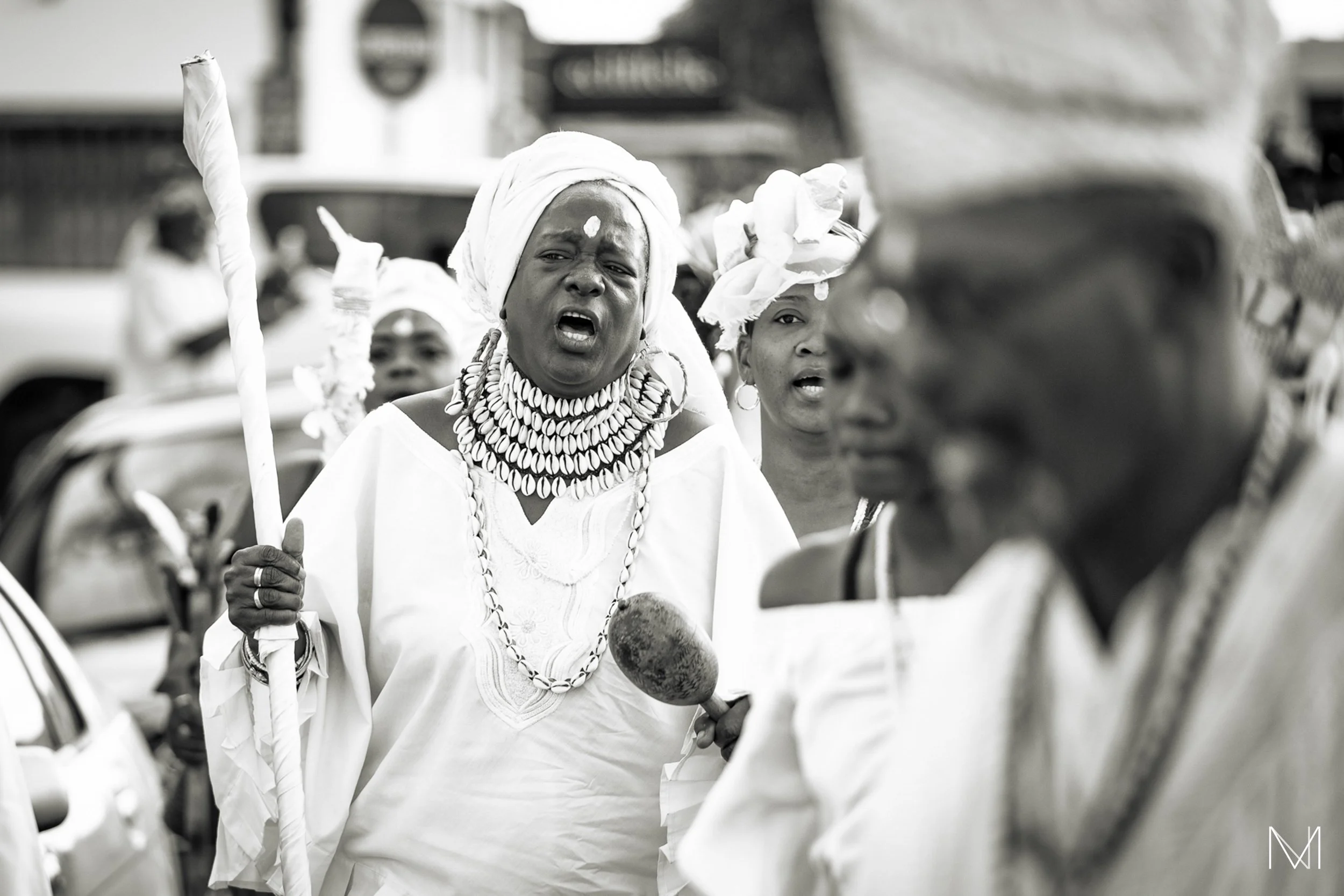
Obatala Festival, Trinidad
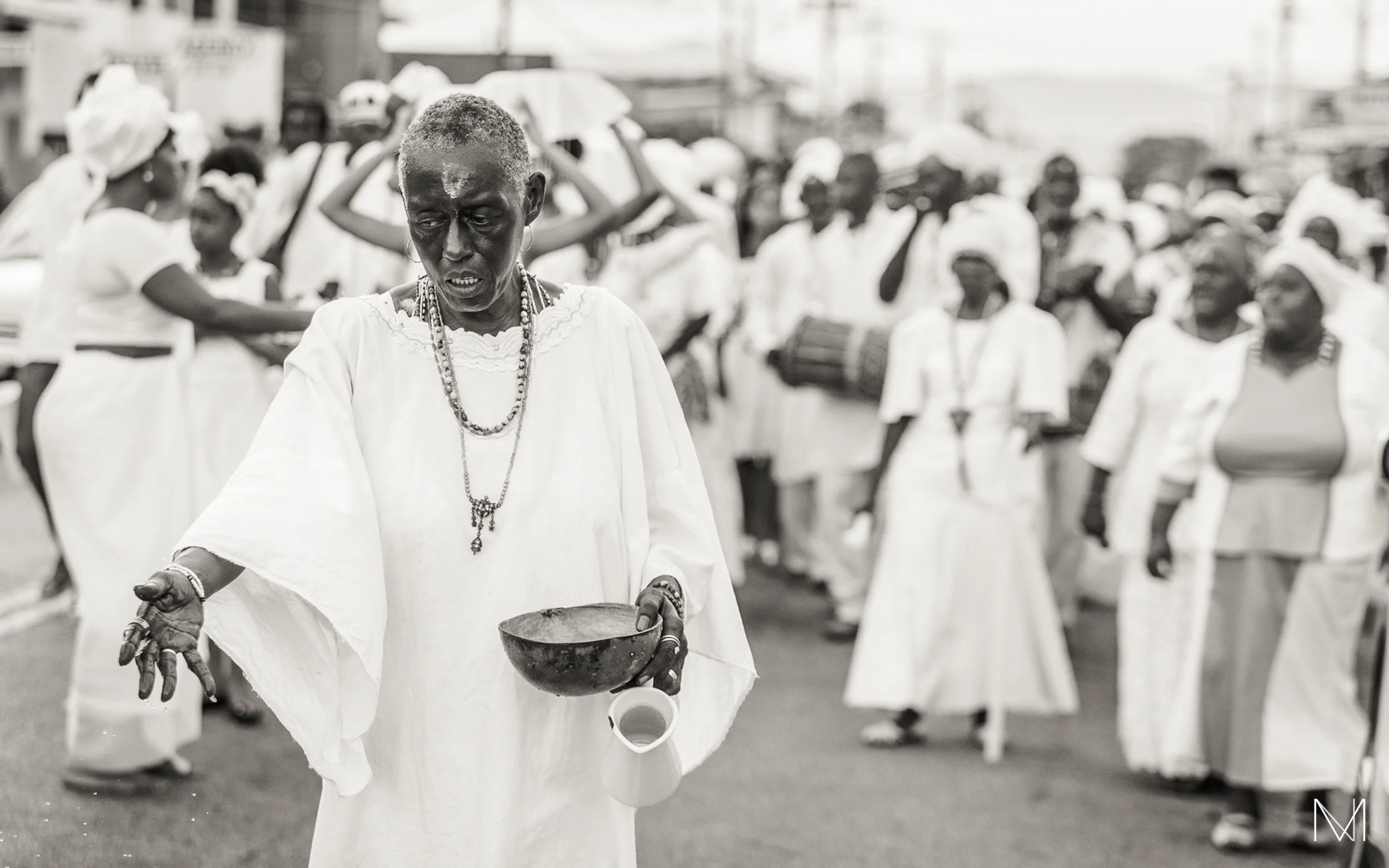
Obatala Festival, Trinidad
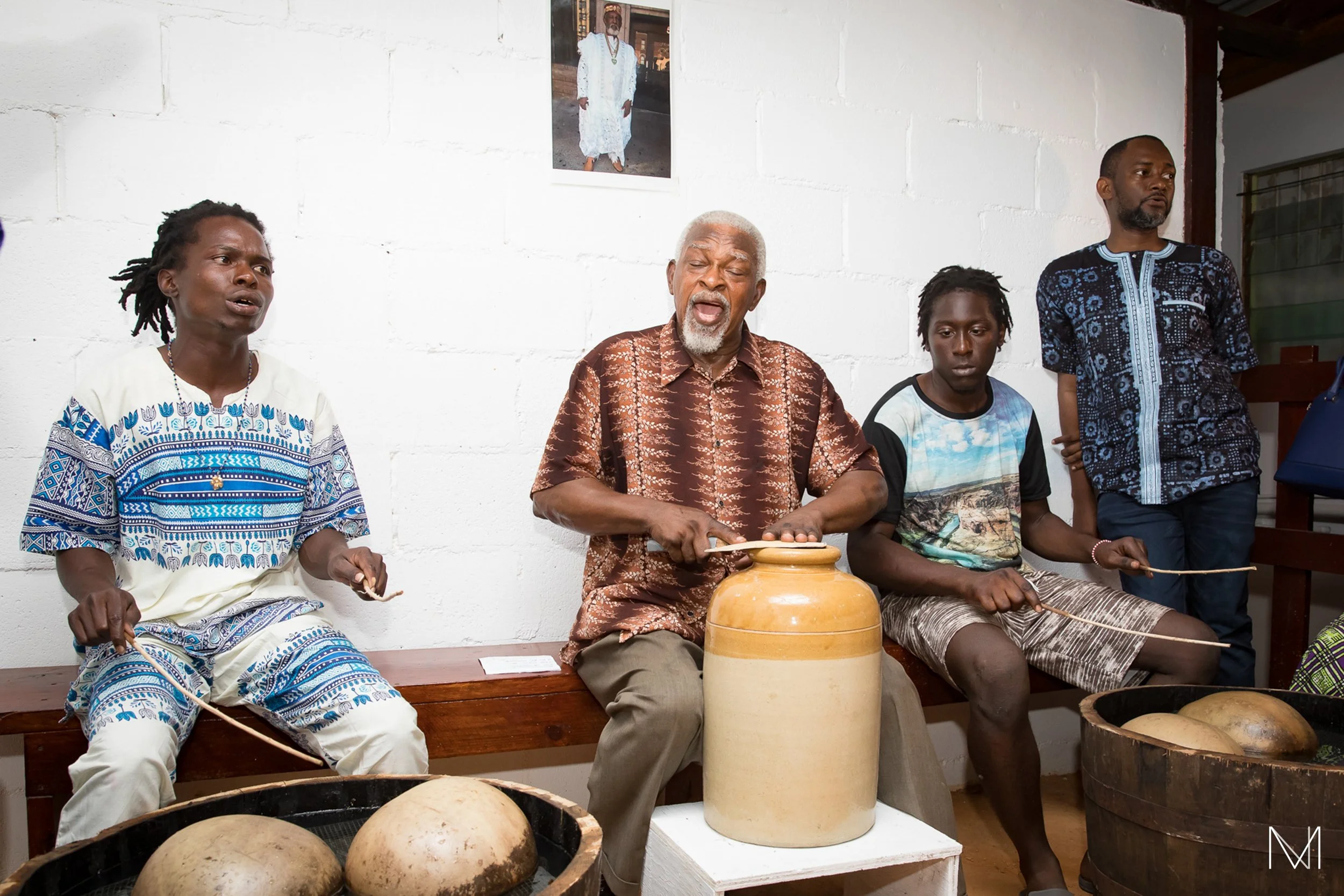
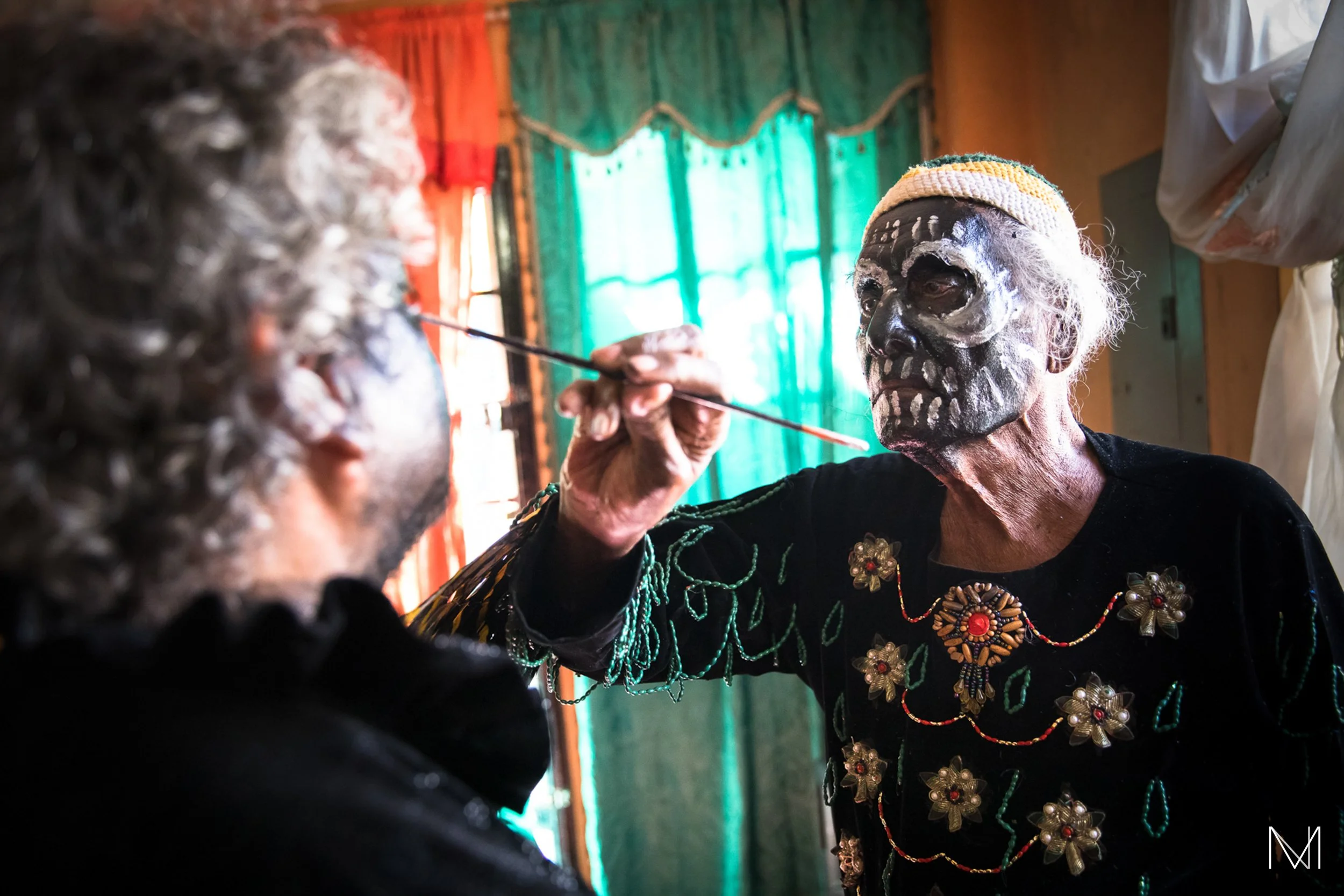
Rada Vodunu, Belmont, Trinidad
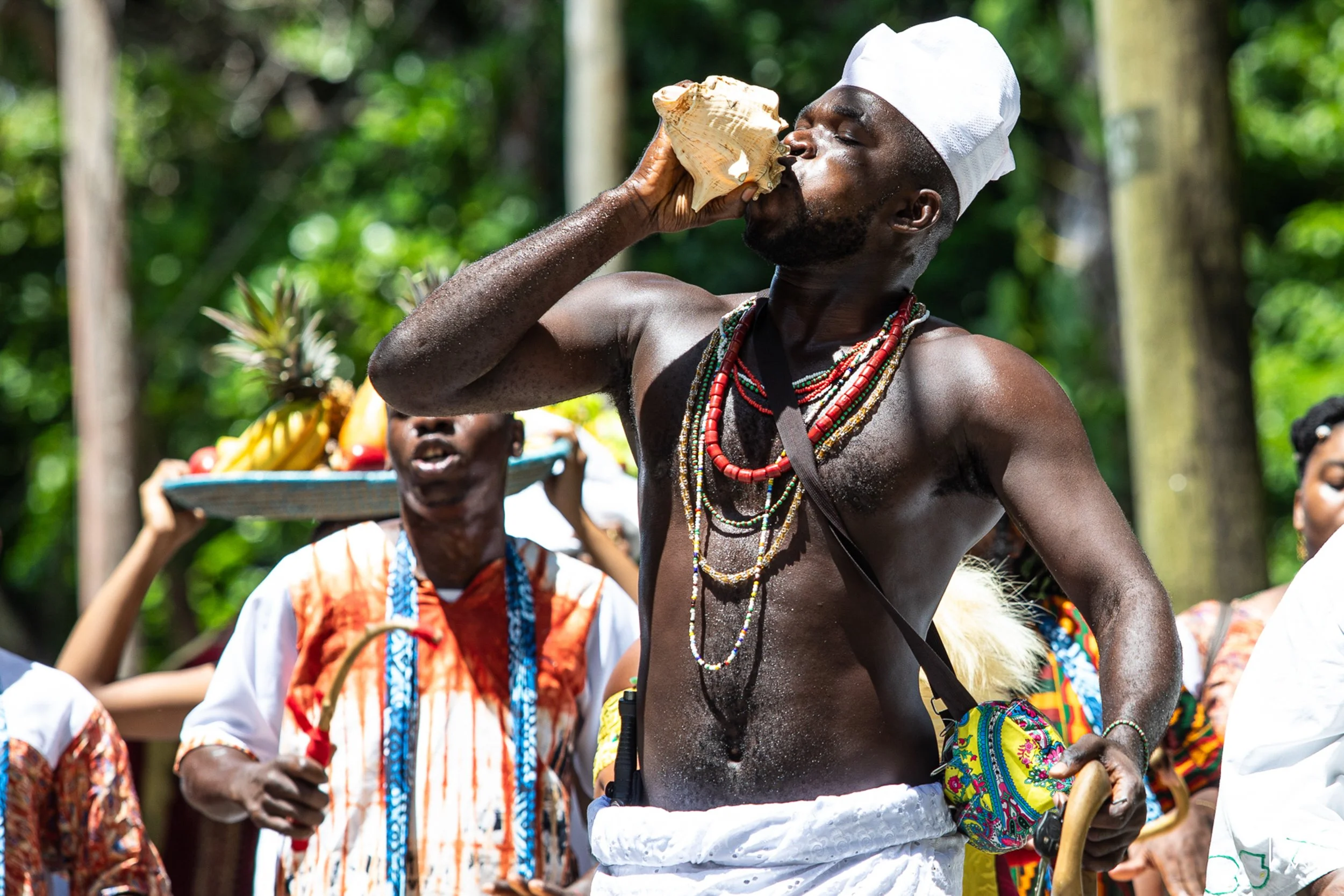
Oshun Festival, Trinidad
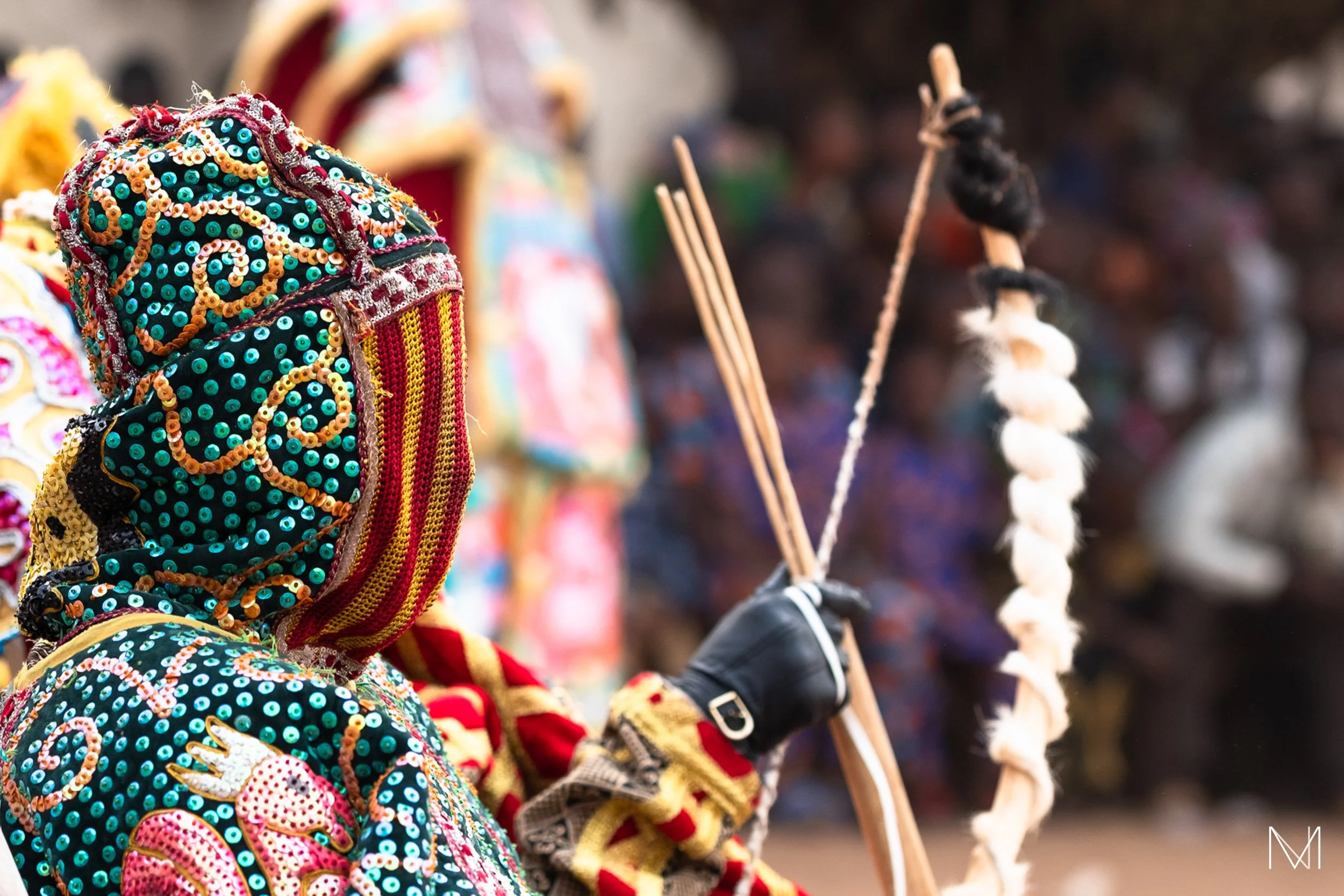
Egungun, Porto Novo, Benin
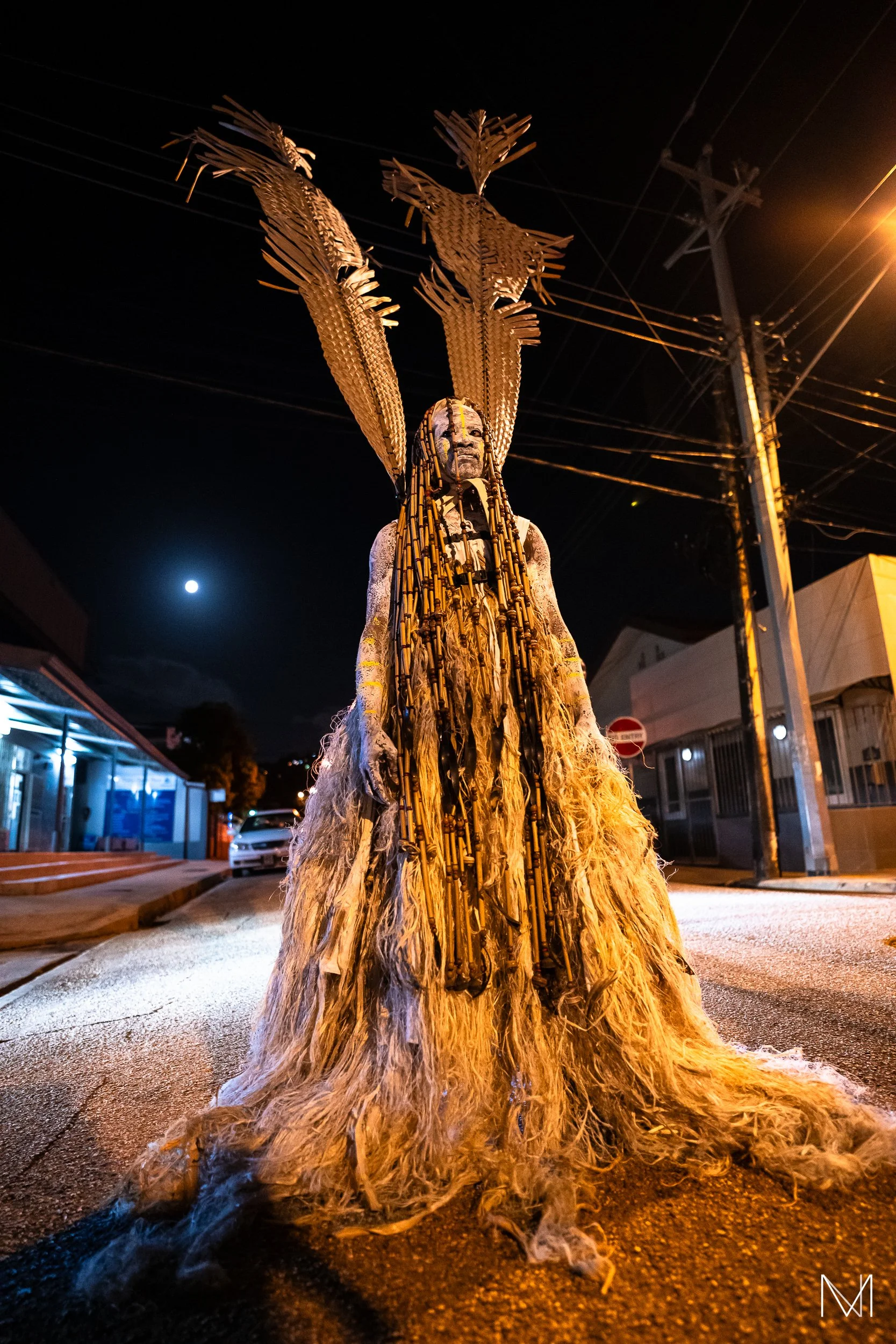
Jelili Atiku, Nigerian artist, Belmont, Trinidad
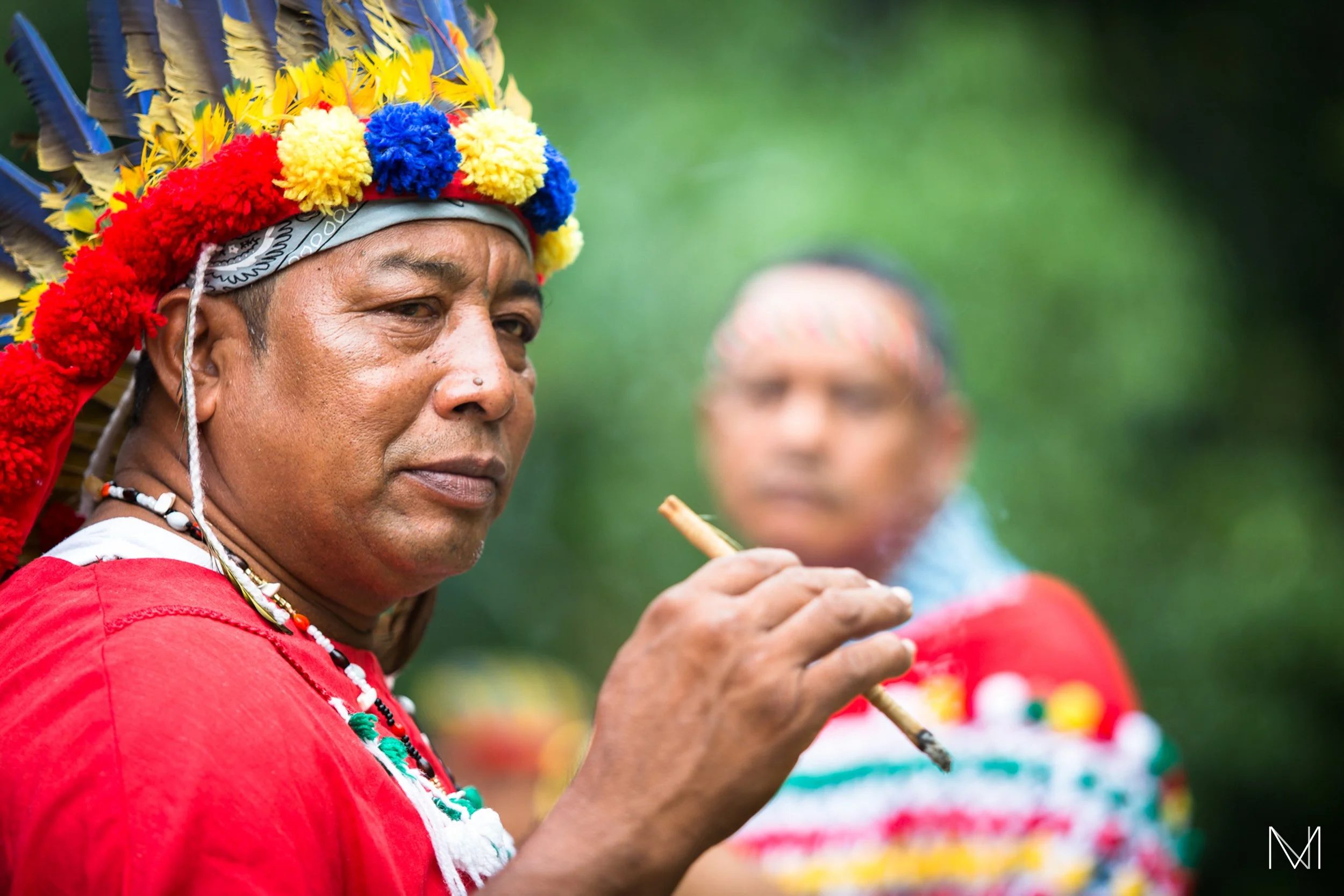
Narrie Approo, Black Indian elder, Trinidad
First Peoples Heritage Celebrations, Trinidad
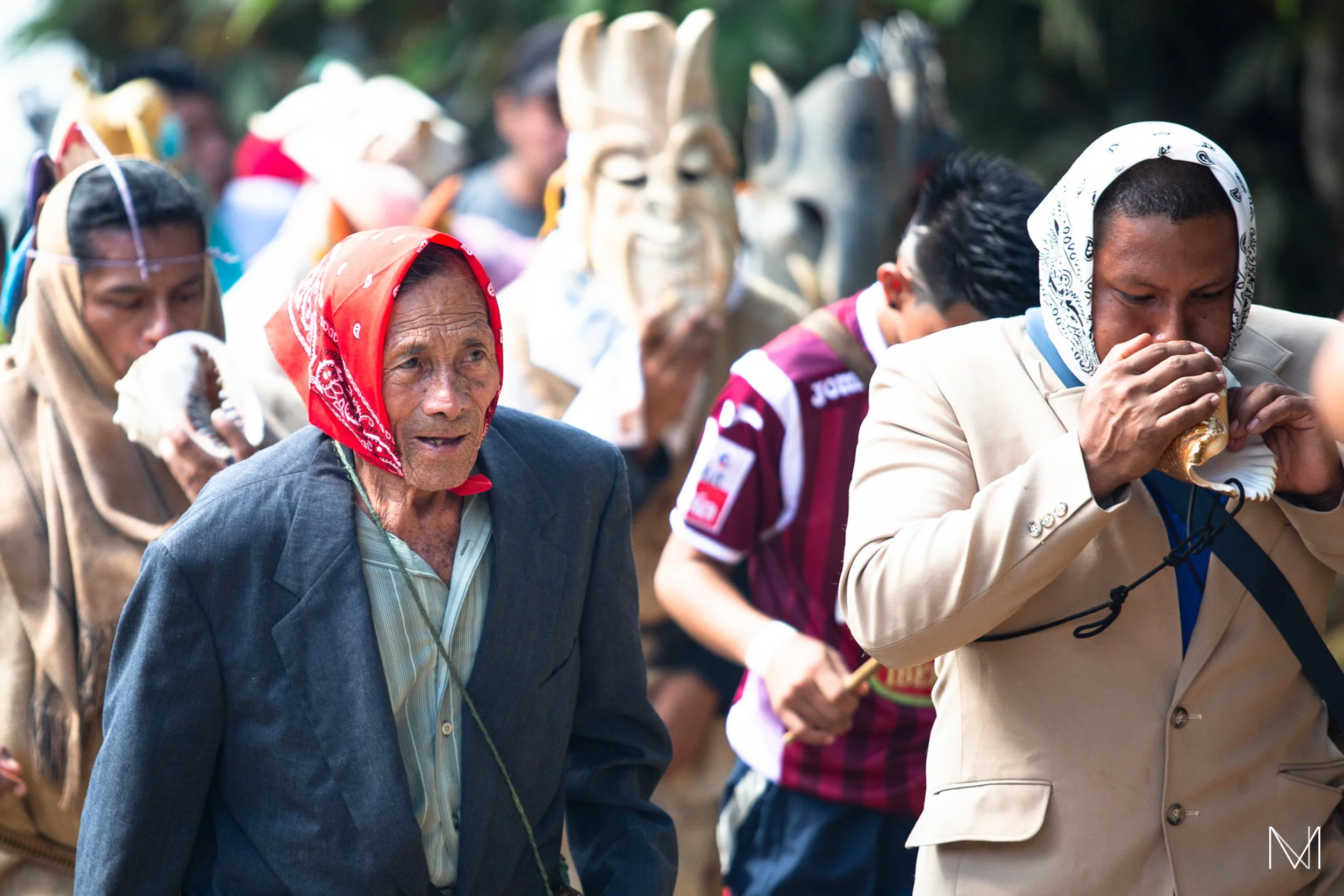
Festival de los Diablitos, Boruca, Costa Rica
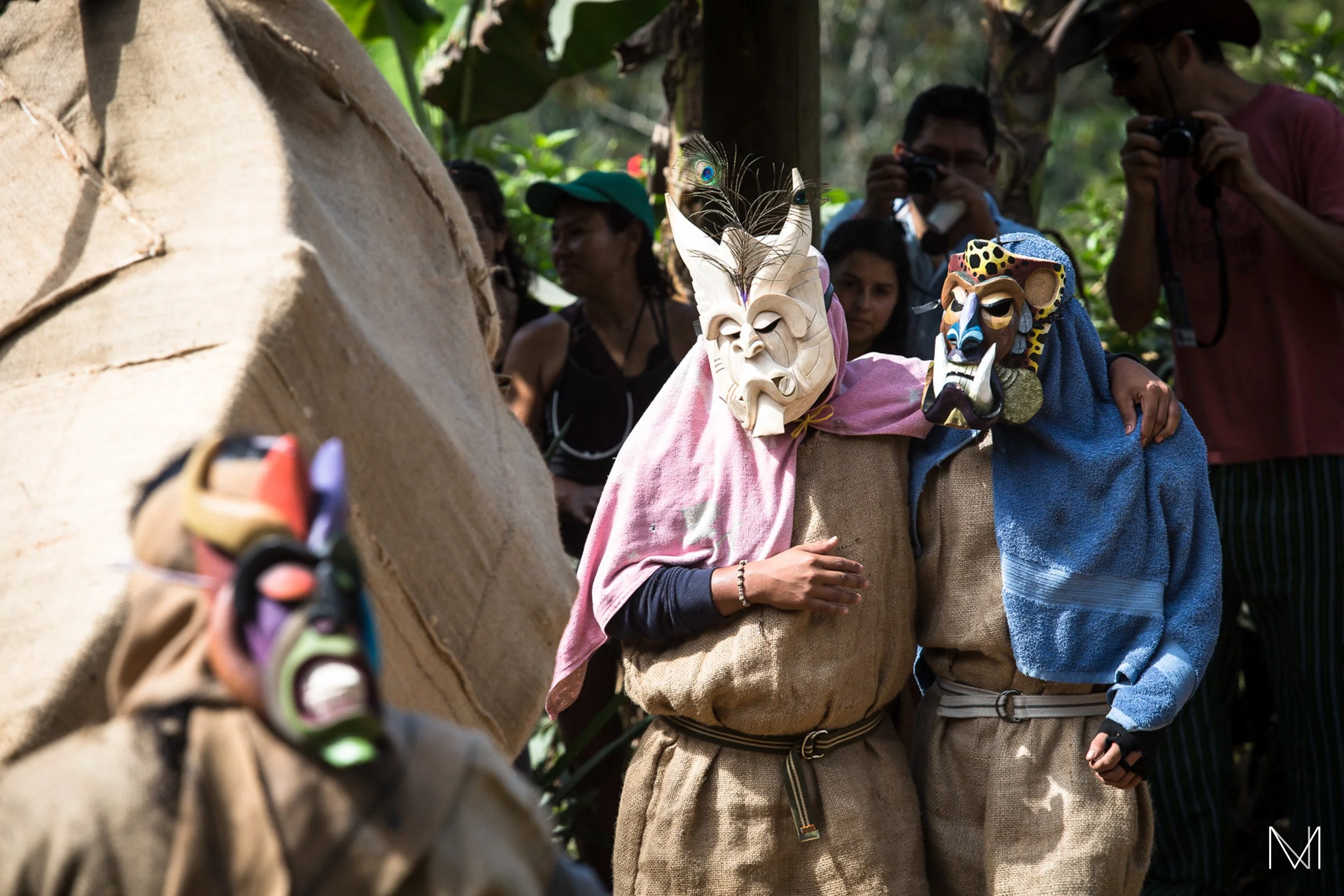
Festival de los Diablitos, Boruca, Costa Rica
As I investigated and understood carnival heritage more intimately it was only natural this led me to the wider canvas of culture manifested in the many heritage festivals woven into the fabric of life in Trinidad. Through people I met in the carnival space I was then introduced into other worlds of the spirituality and practices of the Ifa/Orisha and Rada communities. As I photographed Obatala and Oshun festivals, and espcially Egungun masquerade, I could feel the ancestral connections to mas rituals expressed at Carnival time. The depth of this work went even further when I went to Benin in 2020 and photographed Egungun in Porto Novo. To experience Egungun on both sides of the Atlantic, was very powerful and transformative. One foot in west Africa, the other in the Caribbean. Living history.
Another feature of this section are images that speak to the ancient history of the Americas. Trinidad is home to the oldest human remains ever found in the Caribbean - Banwari Woman - estimated to have lived 5000 years ago. In their violent, arrogant conquest of the Americas Europeans labelled these continents perviously unknown them - the New World - decimating the “old” world they met here. So much of how history was taught for a very long time rendered the Caribbean as a place with no real history prior to European contact. It has therefore always been important to me to document the cultural heritage of the First Peoples of Trinidad. And then in 2015 while working with Etienne Charles I also had the opportunity to photograph the Boruca in Costa Rica.